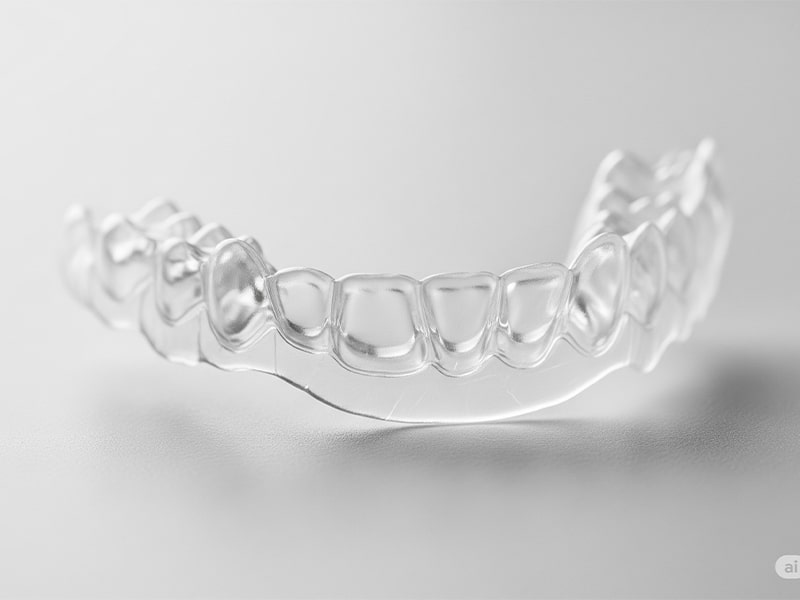
Night guard
Do you wake up with jaw pain, morning headaches, or notice your teeth looking flatter than before? You may be grinding your teeth at night — a condition known as bruxism. One of the most effective ways to protect your teeth from nighttime damage is by wearing a night guard.
In this article, we will explore what a night guard is, who needs it, the different types, how to use it correctly, its advantages, and the essential care guidelines.
________________________________________
What Is a Night Guard?
A night guard (also known as a dental night guard or occlusal splint) is a custom-fitted or over-the-counter device made from plastic or resin that fits over the upper or lower teeth. It prevents the upper and lower teeth from coming into direct contact during sleep, thus reducing tooth wear, jaw tension, and headaches caused by involuntary grinding or clenching.
________________________________________
Who Needs a Night Guard?
A night guard is typically recommended by dentists for individuals who experience:
• Nighttime teeth grinding (bruxism)
• Clenching of the jaw during sleep
• Chronic jaw pain or Temporomandibular Joint Disorder (TMJ/TMD)
• Excessive tooth wear or enamel damage
• Sensitivity or pain without apparent dental causes
• Post-orthodontic patients to maintain tooth alignment
________________________________________
Common Symptoms Indicating the Need for a Night Guard
• Flattened or chipped teeth
• Cracks or notches in enamel
• Morning headaches or migraines
• Clicking or popping sounds in the jaw
• Sore jaw muscles upon waking
• Neck or facial tension after sleep
________________________________________
Types of Night Guards
1. Custom-Fitted Night Guard (Made by a Dentist)
These are created based on a precise mold of your teeth and offer the highest level of comfort, durability, and effectiveness. They are typically made of hard acrylic or dual-laminate materials.
2. Boil-and-Bite Night Guard (Semi-Custom)
Available at pharmacies, these are softened in hot water and then molded to your teeth. They offer moderate comfort and fit but lack the precision of a professionally made guard.
3. One-Size-Fits-All Night Guard (Stock Guards)
Pre-made and inexpensive, but often bulky, uncomfortable, and may interfere with breathing or speech. Not recommended for long-term use.
________________________________________
Night Guards for Bruxism vs. TMJ
• For Bruxism (Teeth Grinding): Softer materials may be used to absorb grinding forces.
• For TMJ Disorders: Rigid or hard night guards help in repositioning the jaw and reducing pressure on the joint.
________________________________________
Key Benefits of Using a Night Guard
• Protects tooth enamel from grinding and wear
• Reduces jaw pain, muscle fatigue, and tension headaches
• Prevents fractures, chipping, and long-term dental damage
• Improves sleep quality by relieving discomfort
• Supports post-orthodontic treatment by maintaining alignment
• Helps avoid expensive dental restorations in the future
________________________________________
Possible Drawbacks of Night Guards
• May feel bulky or uncomfortable at first
• Can increase salivation temporarily
• Requires daily cleaning and proper hygiene
• Custom guards can be relatively expensive
• Improper use may affect bite or worsen TMJ symptoms (rare)
________________________________________
How to Care for a Night Guard
• Rinse with warm water after each use and brush gently with a toothbrush
• Avoid using toothpaste with abrasive agents (it may scratch the surface)
• Do not soak in boiling water — it may warp the material
• Store in a ventilated case when not in use
• Clean weekly with a mild denture cleaner or vinegar and water solution
• Visit your dentist regularly to check fit and hygiene
________________________________________
How Long Should You Use a Night Guard?
The duration varies by case. Some people may use it temporarily during stressful periods, while others may need long-term use.
A custom night guard typically lasts between 1 to 5 years, depending on the material, usage habits, and care.
________________________________________
Can a Night Guard Cure Bruxism?
No, a night guard does not cure bruxism — it is a protective device. While it prevents damage from grinding, the underlying causes should still be addressed, which may include:
• Managing stress and anxiety
• Correcting jaw alignment or bite issues
• Treating sleep disorders
• Behavioral therapy
• Use of muscle relaxants or medication (when recommended)
________________________________________
When to See a Dentist
• If you suspect grinding or clenching at night
• If you notice increased tooth sensitivity or damage
• If you have persistent jaw pain or headaches
• If your night guard becomes loose, worn, or uncomfortable
Early intervention can prevent significant dental issues and save costs in the long run.
________________________________________
Conclusion
A night guard is a simple yet highly effective tool for protecting your teeth and jaw from the harmful effects of nighttime grinding and clenching. While it does not treat the root cause of bruxism or TMJ disorders, it significantly reduces the symptoms and prevents long-term damage.
If you experience any signs of bruxism or TMJ, consult your dentist for a proper diagnosis and to determine the most suitable type of night guard for your needs.
________________________________________