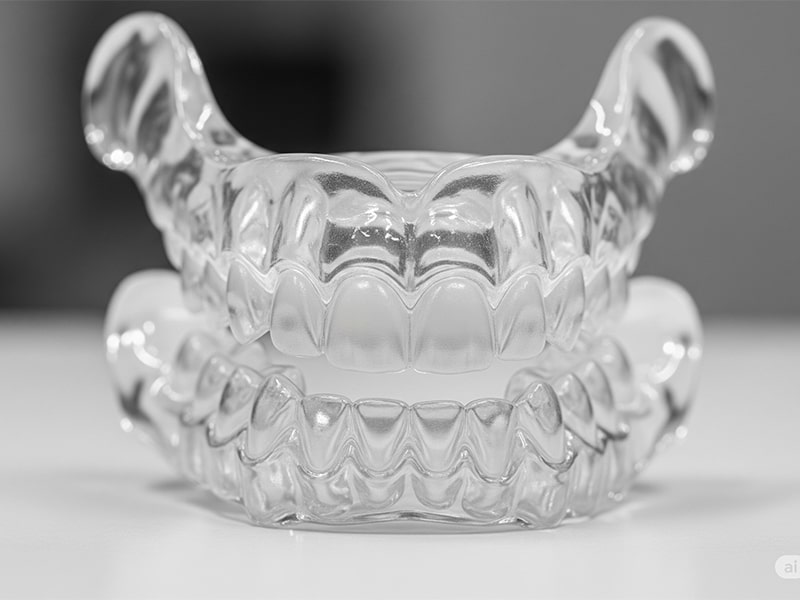
Orthognathic splint
In the field of maxillofacial surgery, precision and stability are paramount to successful outcomes. One of the critical devices used during orthognathic (jaw) surgery is the orthognathic splint. These splints help surgeons accurately reposition and stabilize the jaws after surgical correction of skeletal discrepancies, ensuring optimal healing and function.
________________________________________
What Is an Orthognathic Splint?
An orthognathic splint is a custom-made dental appliance designed to maintain the proper alignment of the jaws following corrective jaw surgery. Typically fabricated from medical-grade acrylic or resin materials, these splints fit over the teeth or jawbone to restrict unwanted movement during the critical postoperative healing phase.
________________________________________
Uses of Orthognathic Splints
• Stabilizing the upper and lower jaws after surgical repositioning
• Maintaining proper occlusal (bite) relationships post-surgery
• Preventing relapse or displacement of bones during healing
• Facilitating functional movements such as chewing and speaking while protecting surgical sites
• Assisting in gradual adjustments when using adjustable splints
________________________________________
Types of Orthognathic Splints
1. Maxillary Splints
Designed to fit over the upper jaw teeth to support and stabilize the maxilla after surgery.
2. Mandibular Splints
Fit over the lower jaw teeth to stabilize the mandible during recovery.
3. Bilateral Splints
Cover both jaws simultaneously to maintain the newly established jaw relationship.
4. Adjustable Splints
These splints allow controlled modifications in jaw positioning during the healing process, facilitating gradual correction.
________________________________________
Fabrication Process of Orthognathic Splints
1. Impression Taking and Jaw Records
Accurate dental impressions and jaw relation records are obtained preoperatively.
2. Design and Planning
Using traditional methods or computer-aided design/computer-aided manufacturing (CAD/CAM) technology, the splint is designed according to the surgical plan.
3. Laboratory Fabrication
The splint is fabricated in a dental laboratory using biocompatible resin or acrylic materials on the patient's dental models.
4. Fitting and Adjustment
After surgery, the splint is fitted intraorally, and any necessary adjustments are made by the surgeon or orthodontist.
________________________________________
Importance of Orthognathic Splints in Surgical Success
• Ensures the stability of repositioned jaw segments, minimizing relapse
• Reduces postoperative discomfort and inflammation
• Promotes optimal bone healing by immobilizing segments
• Enhances functional recovery for speech, chewing, and swallowing
• Decreases the likelihood of secondary corrective surgeries
________________________________________
Postoperative Care and Maintenance
• Maintain meticulous oral hygiene to prevent infection
• Avoid excessive jaw movements or forces that could dislodge the splint
• Refrain from hard or sticky foods that may damage the splint
• Attend regular follow-ups for splint assessment and adjustments
• Report any severe pain, loosening, or fractures of the splint immediately
________________________________________
Conclusion
Orthognathic splints are indispensable devices in the treatment of jaw deformities, providing essential support and stability during the postoperative phase. Their precise design, fabrication, and proper postoperative management significantly contribute to the success of corrective jaw surgeries and improved patient outcomes.
________________________________________