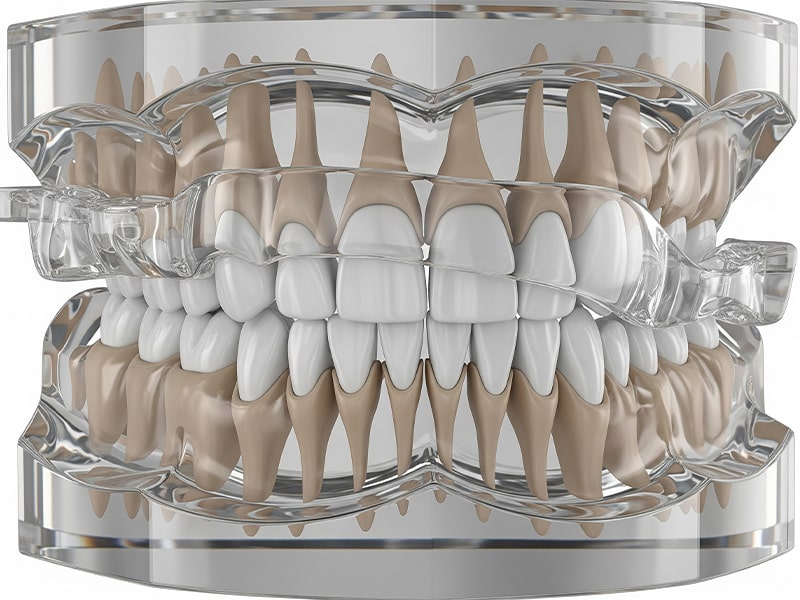
Double CL surgical guide
With advancements in digital dentistry, new methods have emerged to enhance the precision and efficiency of dental implant surgeries. One of the most innovative tools is the Double CL Surgical Guide, which leverages 3D design and specialized software to enable more accurate implant placement while minimizing surgical risks.
________________________________________
What Is a Surgical Guide?
A surgical guide is a custom-made template based on a patient's 3D jaw and teeth data. It helps the surgeon place implants with high precision by guiding the surgical instruments during the procedure. Using surgical guides reduces human error, speeds up surgery, and improves implant success rates.
________________________________________
Definition and Features of the Double CL Surgical Guide
The Double CL Surgical Guide is an advanced type of surgical guide that utilizes two levels or channels (“Double CL” stands for “Double Channel/Layers”) to guide surgical tools. This dual-layer structure allows the surgeon to precisely control the position, angle, and depth of implant placement in a safer and more controlled manner.
Key Features of the Double CL Guide:
• High accuracy in determining implant position and angulation
• Capability to guide various surgical instruments including drills and implants
• Customized design based on CBCT scans and CAD/CAM software
• Minimizes risk of damaging sensitive tissues such as nerves and sinuses
• Facilitates surgery workflow and reduces operation time
________________________________________
Applications of the Double CL Surgical Guide in Implantology
• Implant placement in complex anatomical sites with maximum bone preservation
• Treatment of patients with special anatomical constraints or limited space
• Multi-implant surgeries requiring precise alignment
• Streamlining surgeries for medically compromised or high-risk patients
________________________________________
Advantages of Using the Double CL Surgical Guide
1. Enhanced Implant Placement Accuracy
Precise control over implant location and depth drastically reduces errors.
2. Reduced Surgery Time
Detailed planning and better guidance accelerate the surgical process.
3. Less Postoperative Pain and Swelling
Minimized tissue trauma leads to faster and more comfortable recovery.
4. Improved Treatment Success
Correct implant positioning contributes to longer-lasting prosthetic function.
5. Predictable Treatment Outcomes
Digital models and simulations allow pre-surgical visualization and assessment.
________________________________________
Steps for Fabrication and Use of the Double CL Surgical Guide
1. CBCT Imaging and Clinical Examination
Three-dimensional CBCT imaging captures detailed anatomical data of the patient’s jaw and teeth.
2. Digital Design
Using CAD/CAM software, the Double CL guide is custom-designed according to the patient’s anatomy.
3. Guide Fabrication
The final design is sent to a 3D printer to produce the guide with biocompatible materials.
4. Trial Fitting and Final Adjustments
Before surgery, the guide is tested intraorally and adjusted as necessary.
5. Surgical Procedure
The surgeon uses the guide to direct instruments precisely, ensuring accurate implant placement.
________________________________________
Important Considerations When Using the Double CL Surgical Guide
• Accurate patient cooperation during imaging and impressions for precise guide design
• Use of durable, high-quality materials to withstand surgical stress
• Proper training of the surgical team in guide handling
• Strict adherence to software and clinical protocols
• Repeated testing before surgery to confirm guide fit and function
________________________________________
Limitations and Challenges
• Relatively higher cost compared to traditional methods
• Requirement for advanced equipment and specialized software
• Necessity of expertise in digital dentistry and surgical guide utilization
• Potential errors during design or fabrication if protocols are not strictly followed
________________________________________
Conclusion
The Double CL Surgical Guide represents one of the most advanced digital dentistry tools, significantly enhancing the precision and safety of dental implant procedures. This technology streamlines surgery, improves patient outcomes, and increases overall satisfaction. Despite some limitations, its advantages have made it a gold standard in specialized implant clinics worldwide.
________________________________________