Advantages of Using Aligners Compared to Traditional Braces in Orthodontics
Orthodontics is a common method for correcting dental misalignments, which is divided into two main categories: traditional braces and clear aligners. In recent years, aligners have emerged as a modern and attractive option for orthodontic treatment. This article examines the advantages of aligners compared to traditional braces and explains why patients choose this method.
Advantages of Aligners
1. Invisible Appearance
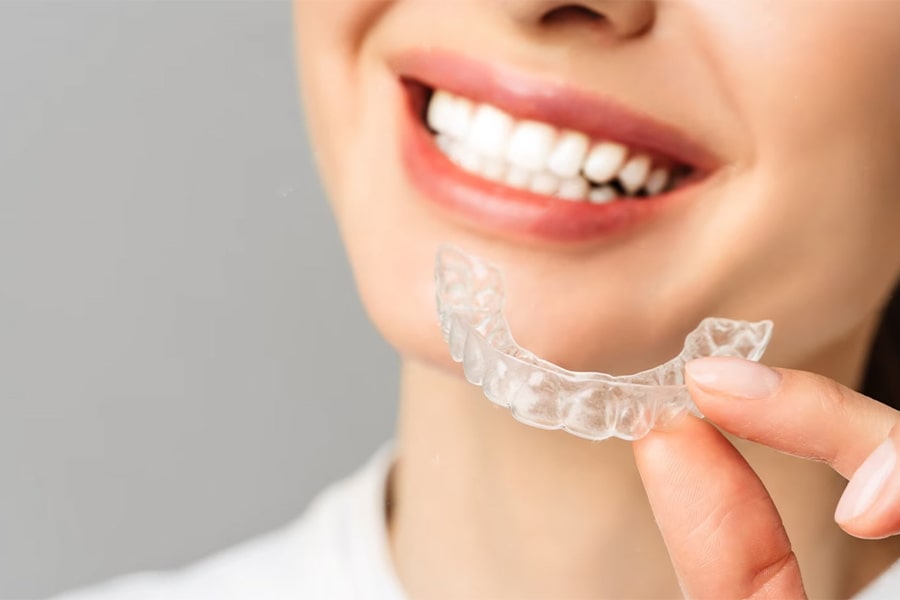
o Aligners are made from transparent materials, making them nearly invisible, whereas traditional braces consist of metal or ceramic brackets and wires that are clearly visible. This feature makes aligners particularly appealing to adults and teenagers who care about their appearance.
2. Comfort and Removability
o Aligners can be easily removed while eating or brushing teeth, reducing the difficulties associated with traditional braces, such as dietary restrictions or challenges in maintaining oral hygiene.
3. Improved Oral Hygiene
o Since aligners are removable, patients can brush and floss their teeth as usual, reducing the risk of cavities and gum disease.
4. Fewer Visits to the Dentist
o Aligner treatment generally requires fewer visits to the dentist compared to traditional braces, as the tooth movement is pre-planned.
5. Less Pain and a More Comfortable Experience
o Many patients report that aligners are more comfortable than braces and cause less irritation to the lips and cheeks.
Differences Between Aligners and Traditional Braces
1. Appearance and Aesthetics
o Aligners: Made from transparent materials and nearly invisible, making them an attractive option for those concerned about aesthetics.
o Traditional Braces: Consist of metal or ceramic brackets attached to the teeth with visible wires.
2. Removability and Comfort
o Aligners: Can be removed while eating and cleaning the teeth.
o Traditional Braces: Are fixed and cannot be removed until the treatment is completed, which may make oral hygiene more challenging.
3. Treatment Duration
o Aligners: Typically used for mild to moderate dental misalignments and may require a shorter treatment period.
o Traditional Braces: Usually take between 18 to 24 months and are more effective for complex misalignments.
4. Comfort and Side Effects
o Aligners: Generally considered more comfortable, as they cause less irritation inside the mouth.
o Traditional Braces: Can be uncomfortable and require frequent orthodontic adjustments.
5. Cost
o Aligners: Typically more expensive but offer aesthetic and comfort benefits.
o Traditional Braces: Usually more affordable, but the longer treatment duration and frequent visits may increase overall costs.
Why Do Patients Choose Aligners?
1. Aesthetic Appeal: Their nearly invisible appearance makes them ideal for individuals who care about their looks.
2. Comfort and Removability: Patients can remove them when needed, making the treatment more comfortable.
3. Better Oral Hygiene: The ability to clean teeth normally reduces the risk of cavities and gum disease.
4. Less Pain: Aligners cause less irritation to the lips and gums compared to traditional braces.
5. Flexibility in Lifestyle: Patients can remove them for special events or important meetings.
6. Shorter Treatment Time: In some cases, aligner treatment can be completed faster than with traditional braces.
Conclusion
Aligners are a modern and effective method for correcting dental misalignments, offering a combination of aesthetics, comfort, and improved oral hygiene. Due to their numerous advantages, they are becoming increasingly popular. However, the choice between aligners and traditional braces depends on the individual needs of each patient. Consulting an orthodontist will help determine the best option for achieving a healthy and beautiful smile.
________________________________________


